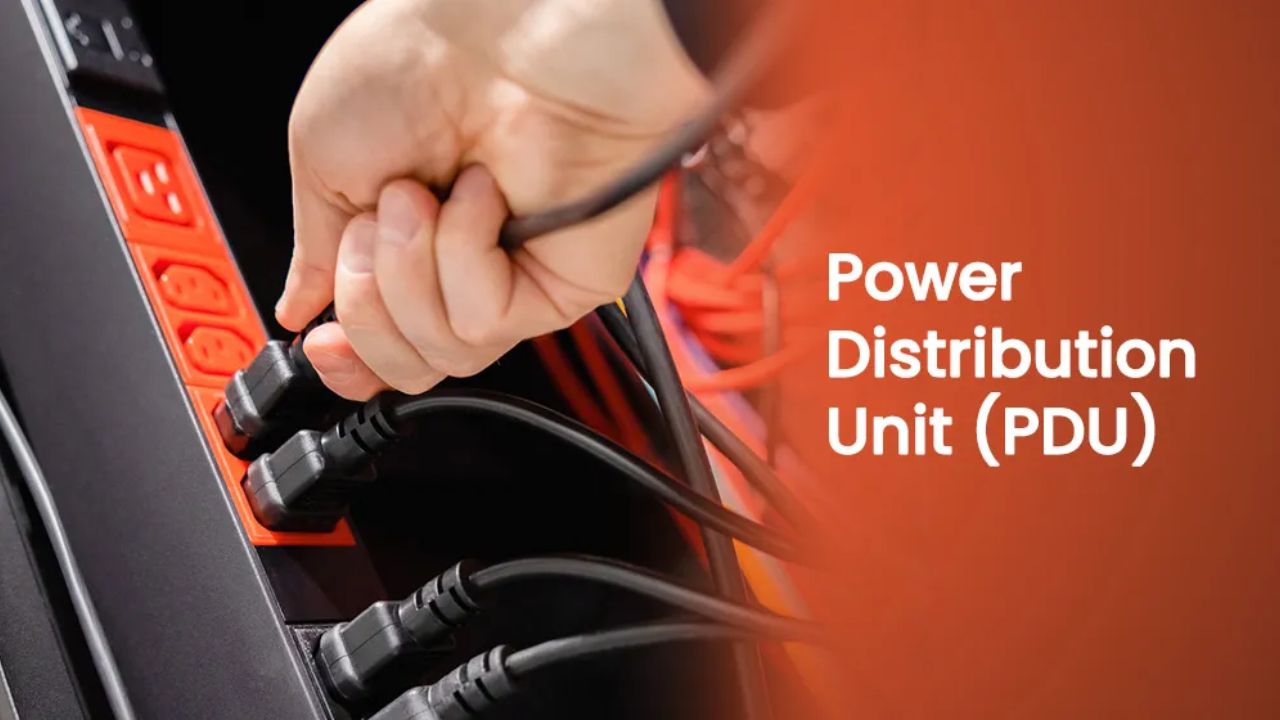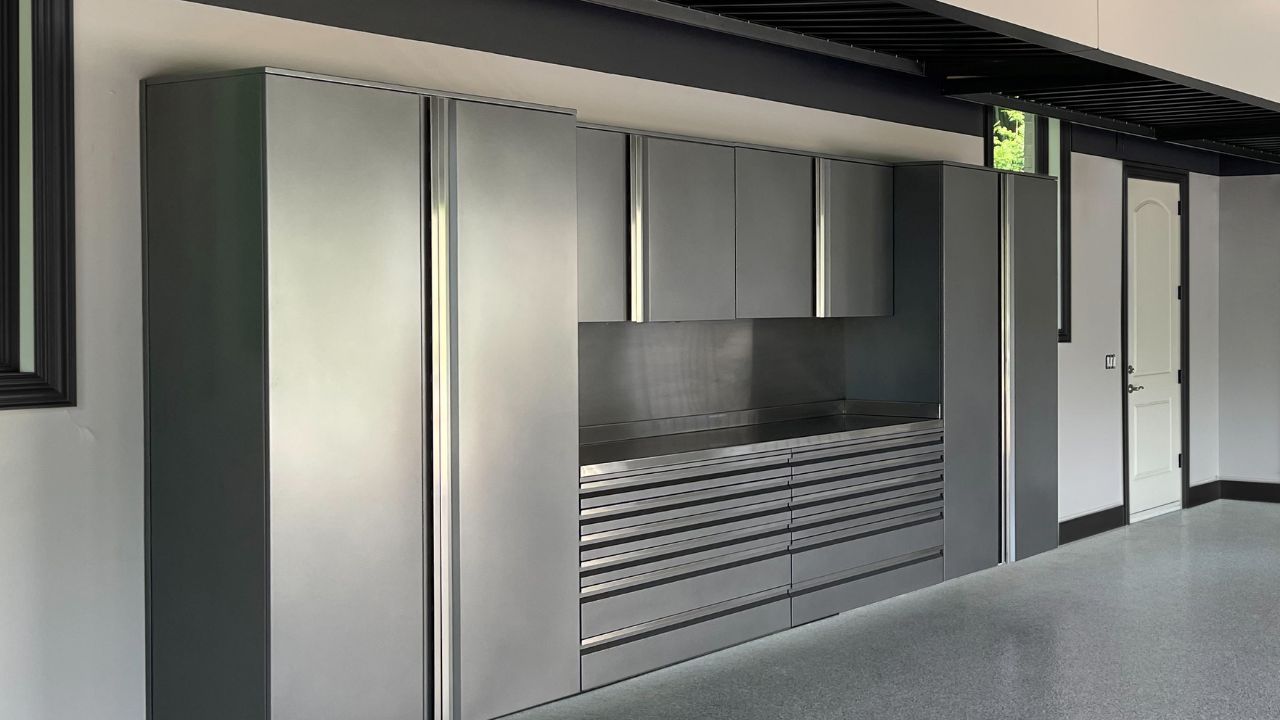
The process of choosing the appropriate metal cabinet manufacturer should start with an accurate evaluation of business needs. The use of metal cabinets differs widely in companies within the industry, as companies use them to store sensitive electronics and heavy industrial tools. The intended usage determines such critical characteristics as the capability of the load, the cabinet size, ventilation necessities, and corrosive or chemical resistance. Taking the example of a data center enclosure, it should be airflow and cable management-oriented, and a workshop storage cabinet should have stronger frames and hardworking finishes. The operational expectations and environmental conditions could be formulated in such a way that decision-makers only searched among manufacturers who may meet certain technical conditions.
Evaluating Engineering Capabilities and Technical Expertise
The manufacturer of a metal cabinet should provide good engineering services besides fabricating it, and it is supposed to be a reputable one. The technical skills will make designs sound, cost-efficient, and efficient to manufacture. The process of drawing refinements, structural integrity, and Design for Manufacturability concepts may be facilitated with the assistance of production companies with extensive engineering personnel. The plan helps to reduce wastage of materials, postponement of the production process, and costly redesigns. Companies are able to have collaborative consultation with the partners rather than just implementing the already existing drawings, as the collaboration of this improves performance and the perceived value of the product in the long run.
Reviewing Material Options and Customization Flexibility
The choice of the material is central to the performance and the longevity of the cabinet. The typical materials that are provided by the reliable manufacturers include cold-rolled steel that is used when the need for strength arises, lightweight materials, including anti-corrosive, which are provided by aluminum materials, as well as stainless steel that is used to provide hygienic or chemically exposed work environments. Creative capability to tailor the thickness, reinforcements, type of doors, and locking construction further separates competent suppliers and typical factory manufacturers.
Assessing Manufacturing Technology and Production Capacity
Precision and consistency depend on the level of technology applied in manufacturing. A high probability of the production of cabinets with correct dimensions and clean structural integrity is observed in companies that invest in high-level laser cutting machines, CNC machine benders, and robotic welders. Accurate production leads to improved door fit, smooth operation of the drawers, and stronger weld seams. Scalability of production is also important. Other projects start with a prototype stage to be followed by high-volume output. An effective supplier should also show that it can expand its operations effectively without interfering with quality or delivery times.
Verifying Quality Control Systems and Certifications
The quality assurance must have standards and documented inspection procedures. Manufacturers who work with the instructions of the International Organization of Standardization tend to have systematic quality management systems that provide consistency in the output. The certifications like ISO 9001 signify compliance with the organized operation procedures and continuous improvement activities. Additional compliance requirements can be used depending on the intended use of the cabinet. An example of this is the electrical enclosures, which may need protection ratings that match those of the industry, and the safety cabinets must meet the requirements that have been set by the Occupational Safety and Health Administration or the National Fire Protection Association.
Considering Lead Times, Communication, and Customer Support
Timely deliveries and good communication are important considerations in the selection of a manufacturing partner. Professionalism and efficiency in operation are manifested by open bidding procedures, proper documentation, and achievable production timelines. Slow cabinet delivery may cause disturbance in big facility projects, which can influence the budgets and productivity. Moreover, good customer support will show that a manufacturer is interested in long-term relations with customers. Businesses that offer post-sales support in installing, integrating hardware, or subsequent upgrades provide value not only at the point of purchase but also after.
Analyzing Total Cost and Long-Term Investment Value
Though cost is a valuable factor, companies ought to consider overall ownership value as opposed to the lowest price. Reduced cost will cut corners on material thickness, finish life, or structural integrity, and result in an increase in maintenance costs in the long term. The metal cabinet, manufactured using good materials and sophisticated technology, provides a better service and minimal interruptions during operation. Logistics such as the use of flat-pack shipping or fully-assembled shipping also affect the cost efficiency.
Conclusion
The selection of the appropriate metal cabinet manufacturing company is a strategic choice that directly influences the performance in terms of operations and financial sustainability. Businesses can find a trusted partner by closely analyzing application needs, engineering experience, material choices, manufacturing capacity, qualitative certifications, the level of communication, and enduring worth.