Power management is not a mere requirement in contemporary data centers, but a vital element of the efficiency, reliability, and scalability concerns. Smart PDU Manufacturers have become a valuable instrument for IT managers who are interested in monitoring, controlling, and optimizing power consumption. To choose the appropriate smart PDU, it is necessary to have special consideration of the needs of the data center, device features, and long-term operational objectives.
Understanding Smart PDUs
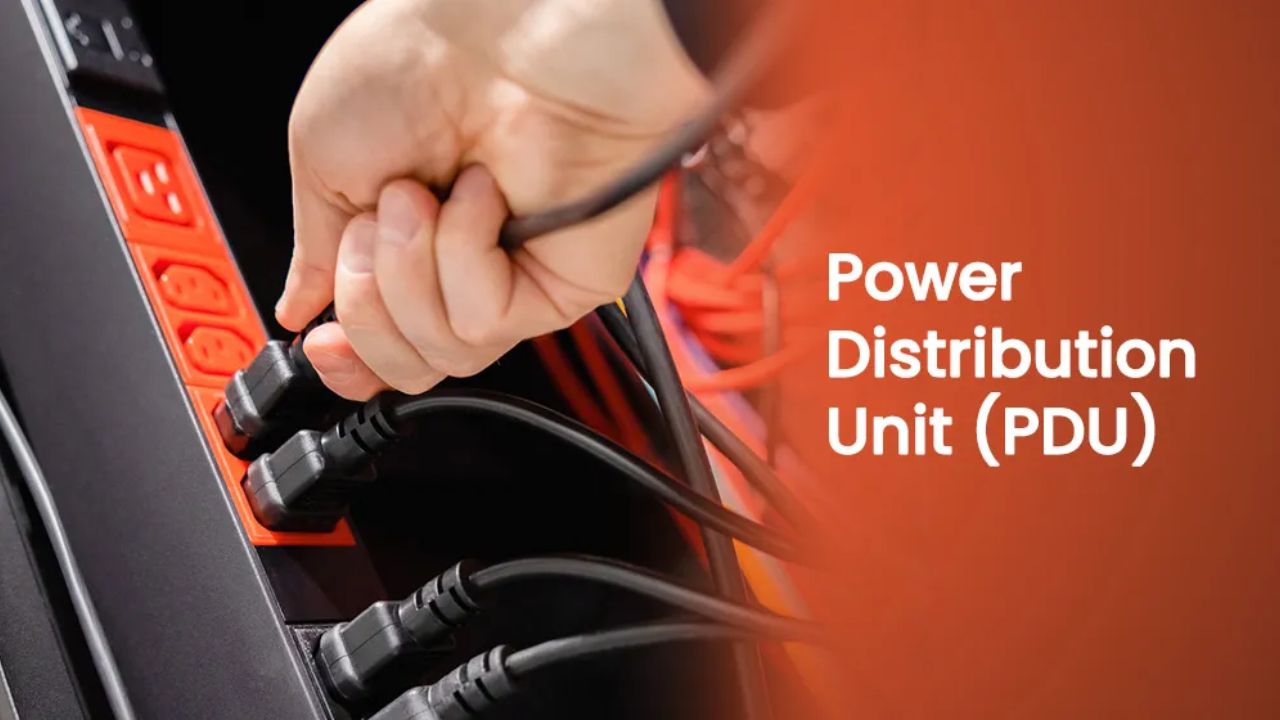
An intelligent power distribution unit (or PDU) is a high-tech variant of a simple power distribution unit. They have increased functionality compared to the traditional PDUs that merely supply power to the connected appliances; the smart PDUs include monitoring and control abilities that make the operations more visible. They are able to monitor real-time power consumption, detect overloads, and even remotely manage these. This feature is especially important in those settings where downtime is a vital factor since it assists in avoiding unexpected failures and allows for proactive maintenance.
Assessing Data Center Power Requirements
The initial attribute of selecting an intelligent PDU is to assess the power requirement of the data center. This will be in terms of knowledge of the total electrical load, the type of devices attached, and their maximum power demand. Any error in the calculation of power may cause overloading, inefficiency, or circuit breaker tripping. The current and future power requirements should be taken into account, and data centers tend to increase with time. Through proper evaluation, the PDU will be able to support the load, and there will also be space to increase the load.
Considering Rack Compatibility and Form Factor
The racks of data centers are of different sizes, and the PDUs should fit perfectly in these structures. The size or shape of a PDU, such as its vertical or horizontal position, influences the manner in which it is placed in a rack. Vertical PDUs are also suitable in high-density server racks, which have numerous outlets but do not consume too much space. Horizontal models can be applicable in certain arrangements where there is a constraint on vertical space. Compatibility ensures that there are no installation problems and that there is optimal utilization of space in the data center.
Prioritizing Scalability and Redundancy
The ability to scale is a critical consideration in choosing a smart PDU. The data centers will expand with time, and a PDU that will support the addition of more devices or increased loads will guarantee viability in the long run. Redundancy is also significant; the use of PDUs with fault tolerance or the use of uninterruptible power supplies (UPS) improves reliability.
Budget Considerations and Total Cost of Ownership
Although the smart PDUs might demand an initial investment that is relatively higher than the simple ones, it is important to consider the overall cost of ownership. An appropriate PDU can help save on energy wastefulness, avoid expensive downtime, and also enhance maintenance. The decision makers ought to consider the short-term costs against the long-term operational advantages by considering features that directly influence energy savings, accuracy of monitoring, and reliability of the system.
Emerging Trends in Smart PDU Technology
The use of smart PDUs is changing at a high rate to accommodate the needs of contemporary data centers. Other functions that are included in new models are AI-driven analytics, predictive load balancing, and energy efficiency dashboards. These advancements enable the IT managers to foresee the spikes in power, save on energy, and minimize the cost of operation. Also, PDUs are becoming armored with IoT sensors, which give real-time monitoring of the environment, such as temperature and humidity, to make sure that the power allocation and the state of various servers are being optimized on an ongoing basis.
Enhancing Data Center Sustainability
The choice of the appropriate smart PDU is also aimed at making a data center more sustainable. Taking an energy usage measurement down to the granular level enables organizations to identify inefficiency, trim away the unwarranted use of power, and decrease their carbon footprint. Smart PDUs make it possible to manage the cooling process in a more efficient way by balancing the power delivery to the environment, which not only allows saving energy but also prolongs the life of important IT devices. Incurring PDU solutions that are energy conscious helps in operational efficiency as well as corporate responsibility.
Conclusion
The selection of the appropriate smart PDU for a data center is a strategic choice that has to balance the power requirements, functionality, compatibility, and budget among the factors. Evaluating the needs of the facility and studying the PUD features closely at the same time, data center managers are able to provide the reliability of power distribution, increased visibility of operational processes, and smooth scalability in the future. A smart PDU is an investment more than a technical upgrade and symbolizes a promise of efficiency, security, and continuous optimization of data center activities.